
Have you ever wondered how America grew from a land of unknown wilderness to one of the most powerful nations in the world? The history of America is full of surprising events, bold decisions, and stories that shaped the lives of millions—including yours.
By understanding this history, you’ll see how past moments connect to your present and future. Keep reading, and you’ll discover the key moments that made America what it is today—and why they still matter to you.
Early Native Civilizations
The early native civilizations of America laid the foundation for a rich and diverse history. These ancient peoples created cultures that thrived long before European settlers arrived. Their lives, traditions, and societies shaped the land and influenced future generations. Understanding their story helps us appreciate the deep roots of American history.
Ancient Tribes And Cultures
Many tribes lived across the continent, each with unique ways of life. The Ancestral Puebloans built impressive cliff dwellings in the Southwest. The Mississippian culture created large earthen mounds in the Southeast. In the Pacific Northwest, tribes like the Haida crafted detailed totem poles. These cultures developed farming, hunting, and art suited to their environments.
Societal Structures And Traditions
Native societies had clear roles and traditions. Leaders guided the tribe in decisions and ceremonies. Families and clans formed tight social bonds. Storytelling passed history and lessons through generations. Spiritual beliefs connected people to nature and the land. Rituals marked important events like harvests and hunts.
Impact On Later Settlements
Early native civilizations influenced later settlers in many ways. Their farming methods taught Europeans how to grow new crops. Native knowledge of the land helped settlers survive harsh conditions. Place names and cultural practices still reflect native origins. The legacy of these civilizations remains part of America’s identity today.
European Exploration
European exploration marked the beginning of a new era in the history of America. It opened the door to discoveries, trade, and cultural exchanges. These journeys changed the world forever. Explorers set out across unknown oceans, driven by curiosity and the desire for wealth.
First Expeditions And Discoveries
The first European expeditions to America began in the late 15th century. Christopher Columbus reached the Caribbean in 1492. Soon after, explorers like John Cabot and Amerigo Vespucci made important voyages. They mapped new lands and helped Europeans understand the vastness of the continent. These early trips revealed rich natural resources and new peoples.
Colonial Ambitions And Conflicts
European nations quickly aimed to claim land and wealth in America. Spain, France, England, and Portugal competed fiercely. Each wanted to control trade routes and valuable territories. Conflicts erupted as settlers fought over land. These struggles shaped the future political map of America. Colonies grew, bringing new challenges and opportunities.
Interactions With Indigenous Peoples
Europeans met many Indigenous groups with diverse cultures. Sometimes they traded goods and shared knowledge. Other times, violence and disease caused great harm. Indigenous peoples faced loss of land and drastic changes to their way of life. Despite hardships, many kept their traditions and adapted to new realities. These interactions deeply influenced America’s history.
Colonial America
Colonial America marks the early period of European settlement in what is now the United States. It began in the early 1600s and shaped the foundation of modern America. Different groups arrived with hopes of new opportunities, freedom, and wealth. Life in the colonies was challenging but full of growth and change.
Settlement Patterns And Growth
Settlers chose locations near rivers and coasts for easy transport and trade. Towns grew slowly but steadily along these waterways. The New England colonies had small farms and tight communities. The Southern colonies spread out with large plantations. Over time, more people arrived, pushing settlements inland. Roads and ports helped colonies expand quickly.
Economic Foundations
Farming was the main job for most colonists. Tobacco, rice, and indigo thrived in the South. The North focused on fishing, shipbuilding, and trade. Colonies traded goods with Europe and the Caribbean. Skilled workers made tools, clothes, and furniture. Slavery also became part of the economy, especially in the South. These activities laid the groundwork for future prosperity.
Cultural And Religious Influences
Religion played a big role in colonial life. Puritans in New England wanted to build a moral society. Quakers in Pennsylvania promoted peace and equality. Many settlers brought different customs and languages. Churches acted as community centers for schools and meetings. This mix of beliefs and traditions shaped American culture. It created a diverse but connected society.
Revolutionary Era
The Revolutionary Era marks a major turning point in American history. It was a time when thirteen colonies fought to break free from British rule. This period shaped the nation’s identity and set the stage for its future. The struggle for independence involved many challenges and brave efforts. Understanding this era helps us see how America was born.
Causes And Early Resistance
The main cause was unfair taxes imposed by Britain. Colonists had no say in British Parliament. They called this "taxation without representation." Protests began with events like the Stamp Act and the Boston Tea Party. Colonists formed groups to resist British laws. They wanted freedom to govern themselves.
Key Battles And Strategies
Early battles tested the resolve of both sides. The battles of Lexington and Concord were the first fights. American forces used guerrilla tactics to surprise British troops. The harsh winter at Valley Forge showed their determination. The victory at Saratoga was a turning point. It gained support from France, a major help.
Founding Documents And Leaders
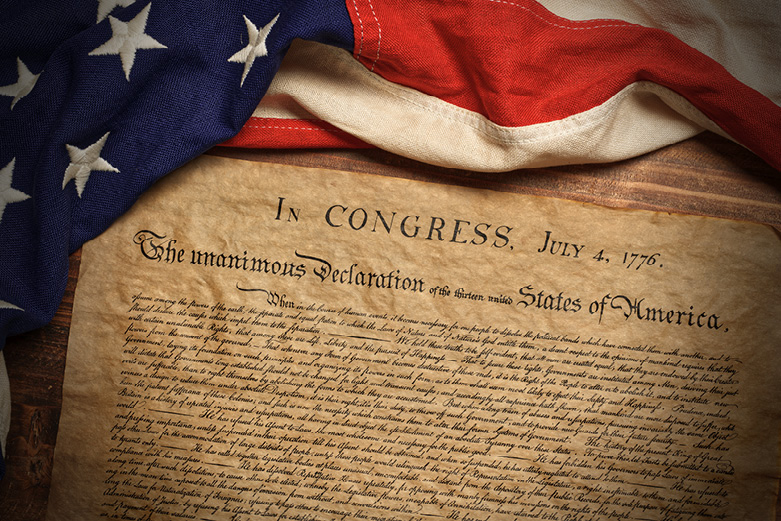
Important documents guided the new nation’s path. The Declaration of Independence announced freedom from Britain. Leaders like George Washington and Thomas Jefferson played key roles. Washington led the army with courage and skill. Jefferson wrote the Declaration with powerful ideas about rights. These leaders shaped the foundation of America.
Expansion And Conflict
The history of America is marked by growth and struggle. Expansion shaped the nation’s land and its people. Conflict arose as different groups sought control and survival. This period reveals how America grew through challenges and change.
Westward Movement
Americans moved west for land and new chances. The idea of Manifest Destiny pushed settlers to explore. Railroads and trails made travel faster and easier. Towns sprang up along the way, creating new communities. This movement changed the map and economy of the country.
Native American Displacement
Expansion forced many Native Americans off their lands. Treaties were broken, and tribes were pushed to reservations. Life changed drastically for Native peoples. Loss of land caused hunger and hardship. This displacement left a deep mark on America’s history.
Sectional Tensions And Slavery
The nation split over slavery and states’ rights. The North and South held opposite views on slavery. These tensions led to political fights and violence. The growing divide set the stage for the Civil War. Slavery remained a central and painful issue.

Credit: www.youtube.com
Civil War And Reconstruction
The Civil War and Reconstruction are key chapters in America's history. The war lasted from 1861 to 1865. It was fought between the Northern states (Union) and the Southern states (Confederacy). The conflict started mainly over slavery and states' rights. The war changed the country deeply. After the war, the Reconstruction period aimed to rebuild the South and reunite the nation.
Major Campaigns And Turning Points
The Civil War had many important battles. The Battle of Gettysburg was a major turning point. It stopped the Confederates from invading the North. Another key campaign was the Siege of Vicksburg. It gave the Union control of the Mississippi River. The Battle of Antietam was the bloodiest single day in the war. It led to the Emancipation Proclamation by President Lincoln. These battles shaped the war's outcome and America's future.
Social And Economic Impacts
The war affected American society deeply. Slavery was abolished, changing lives for millions. Many families lost loved ones. The Southern economy was destroyed. Plantations and farms lay in ruins. The North's industry grew stronger. New jobs appeared in factories and railroads. The war also led to changes in laws and rights, especially for freed African Americans.
Rebuilding The Nation
Reconstruction focused on healing the country. The government worked to rebuild Southern states. New laws aimed to protect freed slaves' rights. Schools and public services were created for all citizens. Still, many challenges remained. Racism and violence persisted. The era set the stage for future civil rights movements. Despite struggles, America moved toward unity and growth.
Industrialization And Immigration
The history of America during the period of industrialization and immigration shows great change. Factories grew, cities expanded, and many people moved to the country. These changes shaped the nation’s economy and culture. New jobs attracted workers from across the world. This time brought both challenges and opportunities for Americans.
Rise Of Factories And Cities
Factories appeared in many parts of the country. They used machines to make goods faster and cheaper. Cities grew near these factories as people moved there for work. Urban areas became crowded and busy. Skyscrapers and railroads changed the city landscape. This growth made America a leading industrial power.
Labor Movements
Workers faced long hours and low pay in factories. Many had unsafe conditions and little job security. Labor movements started to fight for better rights. Strikes and protests called for fair wages and shorter workdays. These efforts led to new laws protecting workers. Unions became a strong voice for employees.
Diverse Immigrant Contributions
Immigrants came from Europe, Asia, and other regions. They brought new skills, ideas, and cultures to America. Immigrants worked in factories, mines, and railroads. They helped build the nation’s economy and infrastructure. Their communities added rich traditions to American life. Immigrants faced challenges but still shaped the country.
America In The World Wars
America played a key role in both World War I and World War II. Its involvement changed the course of these wars and shaped the nation's future. The impact of the wars reached far beyond the battlefield. They influenced American society, economy, and global standing for decades.
Entry And Military Roles
America entered World War I in 1917 after years of staying neutral. Its troops helped push back the enemy on the Western Front. In World War II, America joined after the attack on Pearl Harbor in 1941. The U.S. fought in Europe, the Pacific, and North Africa. American soldiers, sailors, and airmen played vital roles in major battles. Their efforts helped bring victory to the Allies.
Homefront Changes
The wars transformed life at home. Women took jobs in factories to support the war effort. Many African Americans moved north to find work in new industries. Rationing and war bonds became part of daily life. People united with a strong sense of purpose. These changes helped shape modern America’s workforce and society.
Global Influence Post-wars
After the wars, America emerged as a global leader. It helped rebuild war-torn countries through aid programs. The U.S. joined new international organizations to keep peace. Its economy grew stronger than ever before. America’s power and influence spread worldwide. These changes set the stage for its role in world affairs today.
Civil Rights Movements
The Civil Rights Movements in America mark a critical chapter in the nation’s history. These movements fought against racial injustice and inequality. They aimed to secure equal rights for all citizens, regardless of skin color. The struggle spanned decades and involved many brave individuals.
The movements brought attention to unfair laws and social practices. They inspired changes in legislation and public attitudes. The fight for civil rights shaped modern America’s values of freedom and justice.
Struggles For Equality
The journey toward equality was long and difficult. African Americans faced segregation and discrimination in schools, jobs, and public spaces. They protested through marches, sit-ins, and boycotts. These acts of resistance challenged unfair systems.
Many faced violence and imprisonment for standing up. Despite hardships, the movement grew stronger. It demanded the end of segregation and voting restrictions.
Key Figures And Milestones
Leaders like Martin Luther King Jr. inspired millions with nonviolent protests. Rosa Parks sparked the Montgomery Bus Boycott by refusing to give up her seat. The Civil Rights Act of 1964 ended segregation in public places.
The Voting Rights Act of 1965 protected voting rights for all citizens. These milestones changed the legal landscape of America. They opened doors for future generations.
Ongoing Social Changes
The fight for civil rights continues today. New movements address issues like police brutality and economic inequality. Social media helps spread awareness quickly. Young people take active roles in pushing for justice.
Equality remains a work in progress. The legacy of past struggles guides current efforts. America moves toward a more inclusive future.

Credit: www.amazon.com
Modern America
Modern America has shaped the world in many ways. It is a story of change, progress, and challenges. This era reflects new ideas in technology, politics, and culture. It shows how the country adapts and grows with time.
Technological Innovations
Technology has changed daily life in America. The rise of the internet made communication faster and easier. Smartphones and computers became common in many homes. Advances in medicine improved health and saved lives. Renewable energy technologies began to reduce pollution. These innovations shaped work, learning, and entertainment.
Political Shifts
Political views in America have shifted over time. Debates on rights, laws, and policies remain intense. New leaders brought different ideas and directions. Citizens became more active in voting and protests. Issues like immigration and climate change gained focus. These shifts continue to influence the nation’s future.
Cultural Trends And Challenges
America’s culture mixes many traditions and backgrounds. Music, art, and food reflect this diversity. Social movements pushed for equality and justice. Challenges like racial tension and economic gaps persist. Media and technology changed how people connect. Culture evolves as society faces new questions.
Credit: itrfoundation.org
Frequently Asked Questions
What Are The Key Events In America's History?
America's history includes colonization, the Revolutionary War, Civil War, and industrial growth. These shaped its identity and global role.
Who Were The Founding Fathers Of America?
Founding fathers like George Washington, Thomas Jefferson, and Benjamin Franklin played crucial roles in America's independence and constitution creation.
How Did America Gain Independence?
America gained independence in 1776 after the Revolutionary War against Britain, leading to the Declaration of Independence and freedom.
What Impact Did The Civil War Have On America?
The Civil War ended slavery, preserved the Union, and transformed America's social and political landscape significantly.
Conclusion
America’s history shapes its present and future. People fought for freedom and rights. Different cultures met and mixed here. Challenges were met with courage and hope. Learning about the past helps us understand today. The story of America is still being written.
Everyone can take part in its journey. History connects us all. What will the next chapter hold?



0 Comments